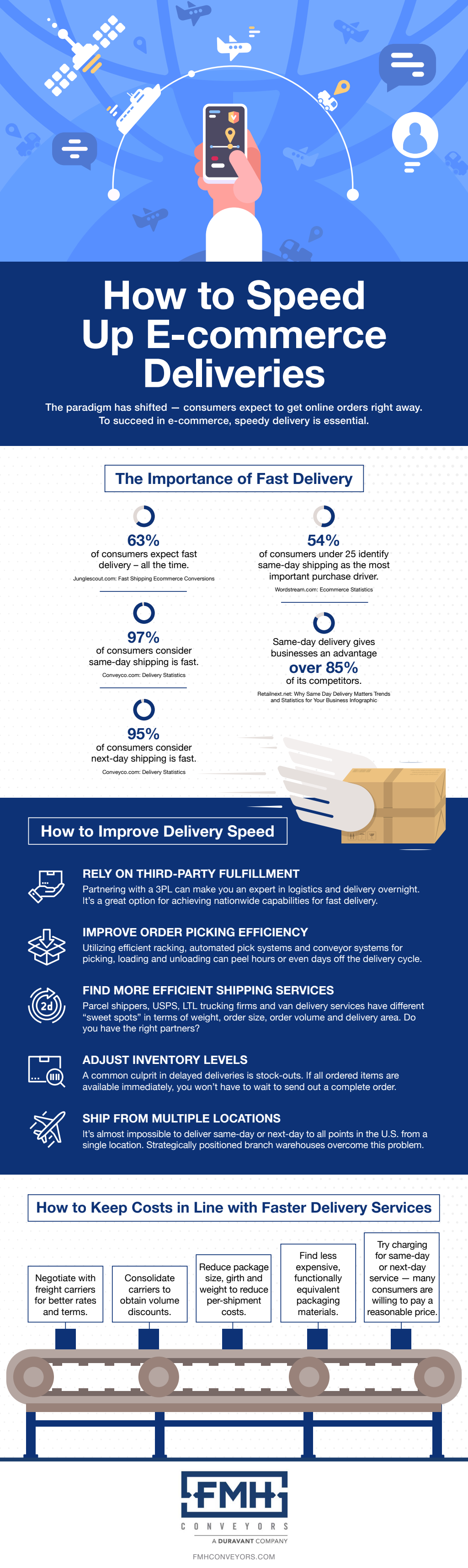
The landscape of online retail has undergone a remarkable transformation over the past ten years. What started as a novel way to shop from the comfort of home has evolved into a hyper-efficient, tech-forward industry where lightning-fast delivery and precision service are no longer perks—they’re prerequisites. To remain viable in this high-stakes arena, digital merchants have been compelled to overhaul everything from supply chains to stock control.
One of the more prominent shifts has been toward streamlined inventory tactics. Rather than warehousing vast amounts of goods in hopes they’ll eventually sell, many e-commerce operations now prioritize tightly managed stock levels. This “just-enough” philosophy not only helps companies forecast demand with more accuracy, but also curbs expenses tied to unsold surplus and warehousing. The agility gained from this model means businesses can swiftly respond to shifting market tastes and trends without being weighed down by excess inventory.
Behind this operational shift is a deeper integration of smart technologies—not just in customer interfaces, but throughout the backend infrastructure. Fulfillment centers that once relied heavily on manual sorting and fixed shelving now hum with automation, machine learning, and robotics. These innovations boost processing speed, limit mistakes, and effortlessly ramp up capacity during surge periods.
A cornerstone of this advancement is the conveyor sorting system. Often found at the heart of modern fulfillment hubs, this mechanism efficiently categorizes and routes packages based on dimensions, weight, and destination codes. By doing so, it eliminates choke points, reduces human error, and dramatically boosts throughput. In a market where a few minutes can be the difference between a loyal customer and a lost one, this type of system is a game-changer for operational speed and accuracy.
Fast fulfillment has become a critical factor in the online buying journey. Not long ago, receiving a package within 48 hours was impressive; now, anything slower might feel outdated. With titans like Amazon pushing the envelope on one-day or even same-day shipping, expectations have risen across the board. Delays—no matter how small—can lead to customer churn, negative feedback, or abandoned transactions.
To meet these heightened demands, businesses—whether freshly launched startups or long-established brands—are rethinking the entire path from order to doorstep. For newer entrants, the challenge lies in designing fulfillment systems that are both cost-conscious and expandable. For those already operating at scale, the priority is enhancing current processes. This could mean redesigning storage layouts, adopting live inventory monitoring, or renegotiating carrier agreements for better final-mile performance.
A particularly savvy strategy involves placing fulfillment nodes closer to urban centers and dense customer clusters. This regionalized model shortens travel time, trims delivery expenses, and supports quicker turnarounds. When layered with predictive logistics software and real-time route optimization, it enables an ideal balance between rapid delivery and cost-efficiency.
Communication throughout the delivery process is also a critical component of customer satisfaction. Tools that offer package tracking in real time, alerts about potential delays, and hassle-free return options all help foster trust. Leading retailers recognize that the journey matters just as much as the speed—shoppers want transparency and a sense of control.
Still, no amount of automation or software can replace the importance of skilled personnel and effective processes. From the warehouse floor to the customer service desk, each employee plays a vital role in the fulfillment ecosystem. Investing in training, encouraging cross-team coordination, and cultivating a culture of adaptability are non-negotiables in this fast-evolving sector.
New challenges are always on the horizon—whether it’s logistical bottlenecks, global supply chain interruptions, or evolving buyer behavior. Businesses that succeed will be those that stay nimble: constantly auditing their systems, adopting emerging tech, and upgrading infrastructure when necessary. Whether it’s through robotic picking tools or algorithms that forecast product surges, proactive strategy remains key.
For a deeper dive into these evolving methods, check out the infographic “How to Accelerate E-commerce Deliveries.” It offers actionable guidance for fine-tuning your logistics game—whether you’re optimizing shipping routes or exploring advanced automation tools.
Ultimately, competing in today’s online retail space is about more than speed. It requires a thoughtful, tech-driven strategy and a commitment to continuously refining how goods move through the pipeline. By embracing smarter systems like the conveyor sorting system and leaning into efficiency at every turn, retailers can not only meet rising expectations—but exceed them.